
how to core concrete
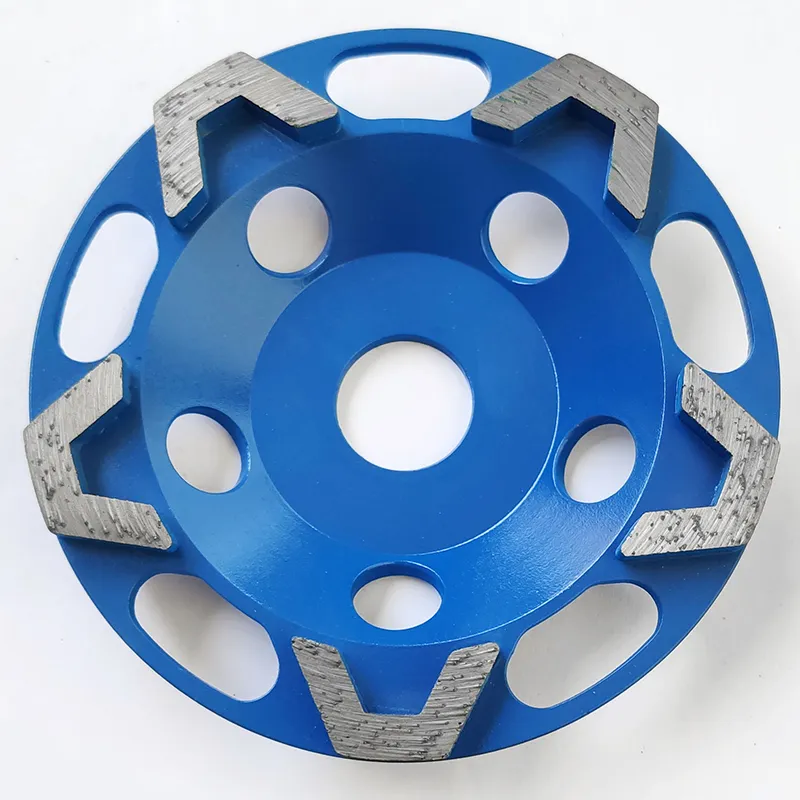
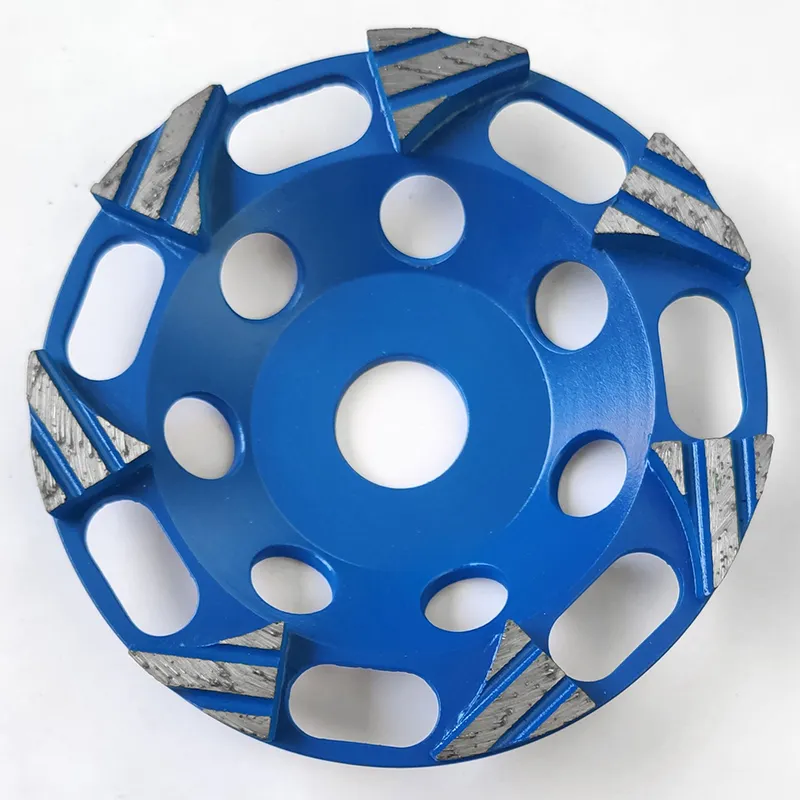
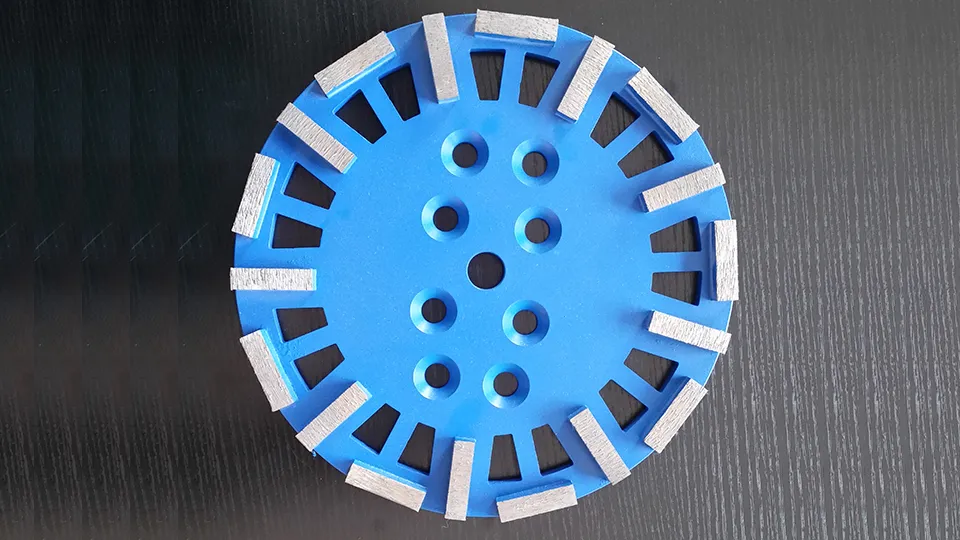
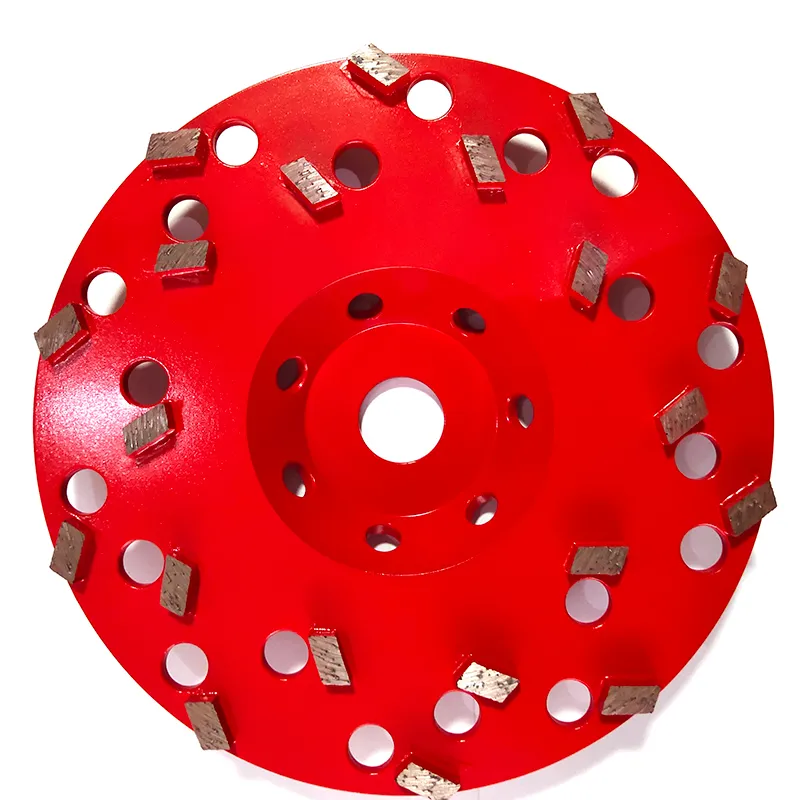
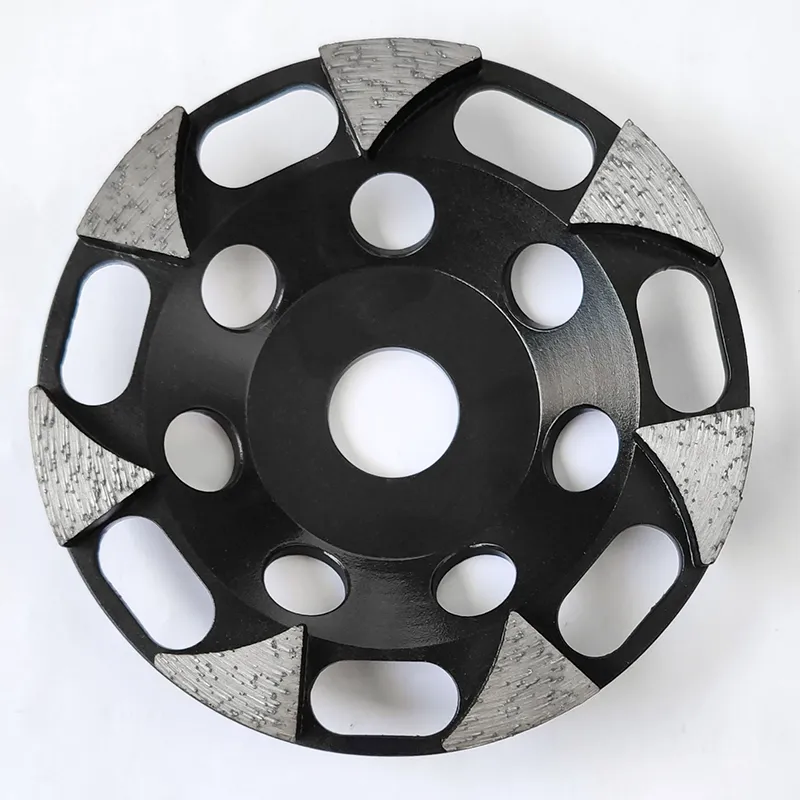
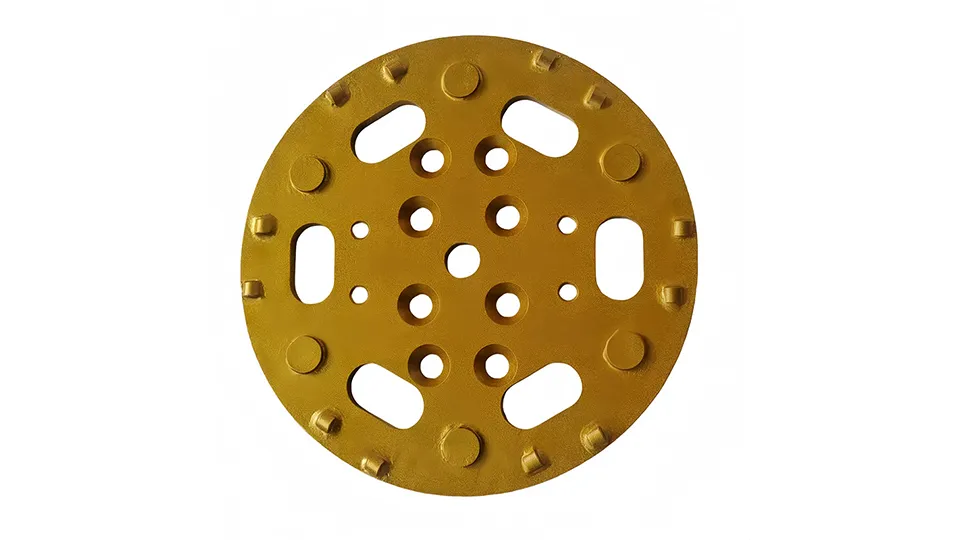
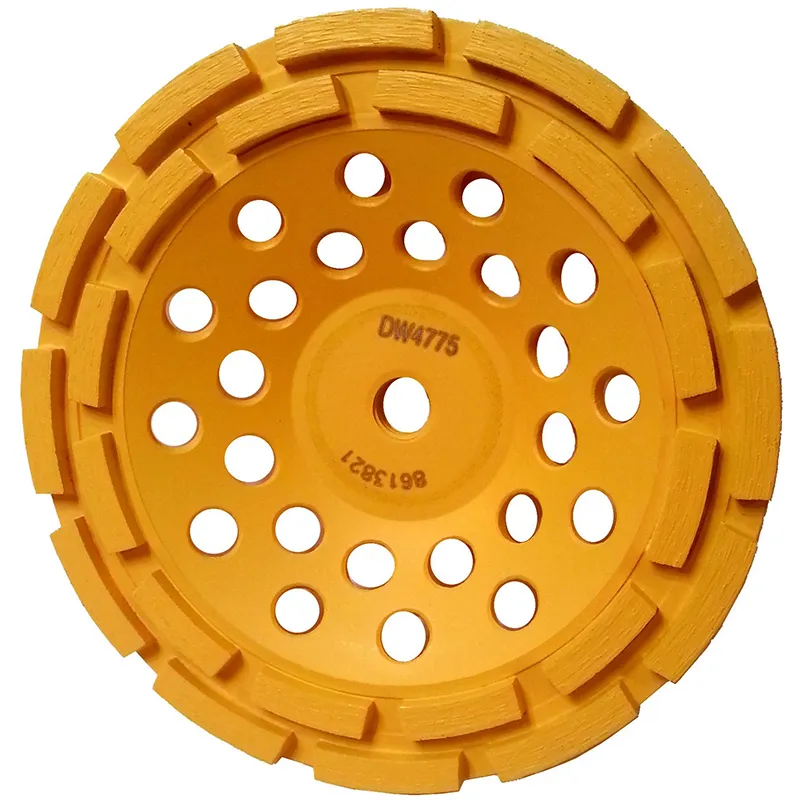
Unlocking unparalleled efficiency and superior finishes in concrete surface preparation begins with the right tooling. This comprehensive guide delves into the world of diamond grinding shoes , exploring everything from industry trends and critical technical parameters to advanced applications and manufacturer insights. Discover how selecting the right diamond grinding block can transform your project outcomes. Discover Our Premier Grinding Shoes Industry Trends: The Evolution of Concrete Surface Grinding The global flooring market is witnessing a significant shift towards polished concrete and high-performance coatings, driving demand for more efficient and precise surface preparation tools. According to a market analysis by Grand View Research, the global concrete floor coatings market size was valued at USD 4.88 billion in 2022 and is expected to grow, indicating a rising need for effective preparation methods. This trend underscores the growing importance of advanced tooling like diamond grinding shoes and specialized variants such as PCD grinding shoes for coating removal. Key trends include: Increased Focus on Speed and Efficiency: Contractors are under pressure to complete projects faster without compromising quality. Modern diamond grinding shoes are engineered for aggressive material removal and longer life, reducing downtime and labor costs. Demand for Versatility: A single project might involve grinding soft, medium, or hard concrete. Tooling that can be easily adapted to different conditions is highly valued. Health and Safety Regulations: With stricter regulations on silica dust exposure (e.g., OSHA's Respirable Crystalline Silica standard), grinding systems that work efficiently with dust shrouds and industrial vacuums are becoming standard. The design of a good concrete grinding block plays a role in effective dust extraction. Rise of Specialized Tooling: For tough-to-remove coatings like epoxy, urethane, and glue, Polycrystalline Diamond (PCD) tools are no longer a niche item but a necessity for professional contractors. Technical Parameters: Decoding the Science Behind Diamond Grinding Shoes Choosing the correct diamond grinding shoes is not a one-size-fits-all decision. It requires understanding key technical specifications that directly impact performance, longevity, and the final surface profile. Grit Size: Measured in mesh, grit size refers to the size of the diamond crystals. A lower number (e.g., 16/20 grit) indicates larger diamond particles, designed for aggressive grinding and removing heavy stock or thick coatings. A higher number (e.g., 80/100 grit) means finer diamonds, used for a smoother finish and the initial stages of polishing. Bond Hardness: The bond is the metal matrix that holds the diamond crystals. The rule of thumb is: use a hard bond for soft, abrasive concrete and a soft bond for hard concrete. A soft bond erodes more easily, exposing new diamond crystals to maintain cutting speed on hard surfaces. A hard bond resists erosion, preventing premature wear on soft, sandy concrete. General Technical Specifications for Diamond Grinding Shoes This table provides a general overview of common specifications. For your specific project, always consult with a tooling expert. Parameter Specification Range / Type Impact on Performance Grit Size 6, 16/20, 30/40, 60/80, 100/120, 150 Lower numbers for aggressive removal; higher for smoother finish. Bond Hardness Extra Soft, Soft, Medium, Hard, Extra Hard Use soft bond for hard concrete; hard bond for soft/abrasive concrete. Segment Shape Rectangular, Round, Arrow, Coffin Arrow/coffin shapes for aggressive cutting; rectangular for longer life. Number of Segments Single, Double, Triple More segments distribute weight, increasing tool life but reducing ground pressure. Diamond Type Synthetic Monocrystalline, PCD Monocrystalline for grinding concrete; PCD for scraping thick coatings. Mounting System Trapezoid (Redi-Lock), Magnetic, Bolt-on Must match the grinding machine's specifications (e.g., Husqvarna, HTC, Klindex). The Manufacturing Journey: From Raw Material to High-Performance Tool The performance of a diamond grinding block is not accidental; it's the result of a precise, multi-stage manufacturing process that adheres to strict quality control standards, such as those outlined by ISO 9001 for quality management systems. Understanding this process highlights the expertise and technology embedded in every tool. 1 Step 1: Diamond & Metal Powder Formulation The process begins with a proprietary formula. High-grade synthetic diamond powders of a specific grit size are meticulously mixed with a blend of metal powders (like cobalt, copper, iron) to create the 'bond'. The bond's composition determines its hardness and wear characteristics. 2 Step 2: Cold Pressing The diamond-metal powder mixture is placed into a mold shaped like the desired segment (e.g., rectangular, arrow). It is then subjected to high pressure in a cold press machine. This step forms a "green" segment, which is dense but still fragile. 3 Step 3: Sintering The green segments are moved to a controlled-atmosphere furnace. Here, they undergo sintering—a process where they are heated to a high temperature (below the melting point of the metals). This fuses the metal particles, locking the diamond crystals firmly within the bond matrix, creating a solid, durable segment. 4 Step 4: Brazing or Welding The hardened diamond segments are attached to the steel shoe base (the part that connects to the machine). This is typically done via high-frequency silver brazing or laser welding, ensuring a bond strong enough to withstand the immense forces of grinding. 5 Step 5: Quality Control & Finishing (ISO 9001 Certified) Every diamond grinding shoe undergoes rigorous quality checks. This includes dimensional accuracy, segment height consistency, bond strength testing, and visual inspection. The tools are then painted, marked with grit and bond type, and packaged for shipment. Technical Advantages: What Sets Our Grinding Shoes Apart Our flagship product, the Diamond Grinding Shoes For Grinding Concrete Floor With Grinding Machines , is engineered for superior performance. Here's how: Optimized Diamond Concentration: We use a high concentration of premium-grade diamonds for faster cutting speeds and extended tool life, translating to lower cost-per-square-foot. Advanced Bond Technology: Our proprietary bond formulations are developed through years of R&D, ensuring they wear at the perfect rate to constantly expose fresh, sharp diamonds for consistent performance on various concrete hardness levels. Precision Engineering: Manufactured in an ISO 9001 certified facility, each concrete grinding block is perfectly balanced to reduce machine vibration, leading to a smoother finish and less operator fatigue. Enhanced Durability: The use of high-frequency brazing ensures our segments remain securely attached even under the most aggressive grinding conditions, a common failure point in lower-quality tools. Data-Driven Performance: Visualizing the Difference Numbers speak louder than words. We've compiled data to visually represent the performance of our diamond grinding shoes compared to generic industry alternatives. These charts illustrate key performance indicators (KPIs) that matter most to flooring professionals. Performance Comparison: Our Product vs. Industry Average Typical Application Breakdown Grit Size vs. Surface Finish (Ra) Manufacturer Comparison: Why Choose Us? In a market with numerous suppliers, making an informed choice is crucial. While many manufacturers produce diamond tooling, not all are created equal. We differentiate ourselves through a commitment to quality, innovation, and customer support, positioning us as a trusted partner rather than just a supplier. Feature Our Brand (MyDiamondBlade) Generic Competitor Premium Competitor (e.g., Husqvarna) Quality Certification ISO 9001 Certified Manufacturing Often Uncertified ISO 9001 Certified Diamond Grade High-Concentration, Premium Monocrystalline Standard Grade, Lower Concentration High-Concentration, Premium Monocrystalline Bond Technology Proprietary, Application-Specific Bonds General-Purpose Bonds Advanced, System-Matched Bonds Technical Support Direct Expert Consultation Limited to Reseller Extensive, via Dealer Network Customization Flexible Customization Options Available No Customization Limited Customization Price-Performance Ratio Excellent, optimized for low cost-per-foot Low Initial Cost, Higher Long-Term Cost High Initial Cost, Excellent Performance Application Scenarios & In-the-Field Case Studies The true test of any diamond grinding shoe is its performance in real-world scenarios. Our tools are designed for a wide range of applications across the construction, renovation, and industrial maintenance sectors. Key Applications: General Concrete Grinding: Leveling uneven floors, removing trowel marks, and preparing new concrete for sealers or polishing. Coating Removal: Using standard diamond grinding shoes for thin paints and sealers, or specialized PCD grinding shoes for thick epoxy, mastic, glue, or waterproofing membranes. Surface Profiling (CSP): Achieving a specific Concrete Surface Profile as required by coating manufacturers (e.g., CSP 2-3) to ensure proper adhesion. Polished Concrete: The initial, aggressive grinding steps (usually from 30 to 100 grit) are performed with metal-bond diamond shoes before transitioning to resin-bond polishing pads. Case Study: Warehouse Floor Restoration Client: Major Logistics & Warehousing Facility Challenge: A 50,000 sq. ft. warehouse floor had a failing epoxy coating and numerous surface imperfections, including spalling and uneven joints. The client required a fast turnaround to minimize operational downtime. Solution: Step 1 (Coating Removal): Our aggressive quarter-round PCD grinding shoes were used on planetary grinders to quickly and efficiently scrape off the old, brittle epoxy without gumming up. Step 2 (Surface Repair & Grinding): After patching spalls, the crew switched to our 30/40 grit, medium-bond double-segment diamond grinding shoes to grind the entire surface. This step removed the remaining coating residue and leveled the floor. Step 3 (Refining): A pass with 60/80 grit shoes smoothed the surface, preparing it perfectly for the application of a new, high-solids polyurethane coating. Result: The project was completed 2 days ahead of schedule. The contractor reported a 25% increase in tool lifespan compared to their previous supplier, and the facility manager praised the uniform, smooth finish that exceeded expectations. This success was attributed to the strategic selection of both PCD grinding shoes and traditional diamond grinding blocks . Customization: Tailored Solutions for Unique Challenges We understand that standard, off-the-shelf products don't always meet the demands of every unique project. That's why we offer comprehensive customization services for our diamond grinding shoes . As a company with over 15 years of industry experience, we partner with our clients to develop the perfect tooling solution. Our customization options include: Custom Bond Hardness: For projects involving extremely hard or unusually abrasive concrete, we can formulate a unique bond to optimize performance and lifespan. Specialized Segment Configurations: Need a unique shape or segment count for a specific application? We can design and manufacture it. Non-Standard Mounting Plates: If you have a rare or custom-built grinding machine, we can engineer a compatible mounting plate. Project-Specific Consultation: Our experts can analyze your project requirements—concrete PSI, desired finish, coating type—and recommend or create a tailored tooling package. Building Trust: Our Commitment to Quality and Support Your trust is our most valuable asset. We build it by demonstrating Expertise, Experience, Authoritativeness, and Trustworthiness (E-E-A-T) in everything we do. Authoritativeness: Our manufacturing processes are certified under the ISO 9001:2015 international standard for quality management. We are proud partners with leading grinding machine manufacturers to ensure seamless compatibility. Warranty & Quality Guarantee: We stand behind our products. All our diamond grinding shoes come with a full manufacturer's warranty against defects in materials and workmanship. Delivery & Logistics: With a streamlined supply chain, we offer reliable and timely delivery across the nation. Standard delivery周期 is typically 5-7 business days, with expedited options available. Expert Customer Support: Our support team isn't just a call center. They are industry veterans ready to provide technical advice, troubleshoot issues, and help you select the perfect concrete grinding block for your job. Frequently Asked Questions (FAQ) 1. What's the difference between soft, medium, and hard bonds, and how do I choose? The "bond" is the metal matrix holding the diamonds. The choice depends on the hardness of the concrete you are grinding. The Golden Rule: Use a soft bond on hard concrete and a hard bond on soft concrete. Why? On hard concrete , a soft bond wears away at the right pace to expose new, sharp diamond crystals, maintaining an aggressive cut. Using a hard bond on hard concrete would cause it to "glaze over" and stop cutting. On soft, abrasive concrete , a hard bond is necessary to resist the sandpaper-like effect of the floor, preventing the diamonds from being stripped away too quickly and ensuring a long tool life. Using a soft bond here would result in extremely rapid wear. 2. How do I choose the right grit size for my project? Grit size determines the aggressiveness of the cut and the smoothness of the finish. 16/30 Grit: Very aggressive. Used for removing thick coatings, glues, and significant stock from uneven floors. Leaves a very coarse profile. 30/40 Grit: The most common starting grit for general concrete grinding and floor leveling. 60/80 Grit: A transitional grit. Used after a 30/40 grit pass to remove the deeper scratches and prepare the floor for finer polishing or some coatings. 100/120 Grit and higher: Typically the last metal-bond step before switching to resin-bond polishing pads. Leaves a smooth, matte finish. Always start with the finest grit you think will do the job to avoid creating unnecessarily deep scratches that take time to remove. 3. What are PCD grinding shoes and when should I use them? PCD (Polycrystalline Diamond) tools are not designed for grinding concrete itself. They are specialized scraping tools. Instead of small diamond crystals, they use large, chunky segments of polycrystalline diamond that act like razor-sharp blades. Use PCDs for: Thick epoxy coatings (over 1/8" or 3mm) Heavy mastic and glue residues Waterproofing membranes Pool deck coatings PCDs are extremely aggressive and will leave a very coarse profile on the concrete, which must then be ground smooth with standard diamond grinding shoes , typically starting with a 16 or 30 grit. 4. What is the difference between single and double segment diamond grinding shoes? The number of segments affects ground pressure and tool life. Single Segment: Concentrates the machine's weight onto a smaller surface area. This results in higher point pressure, leading to a more aggressive, faster cut. They are ideal for hard concrete or when speed is a priority. However, they tend to wear faster. Double Segment: Distributes the machine's weight over a larger area. This reduces the ground pressure, resulting in a smoother grind, less deep scratches, and significantly longer tool life. They are the preferred choice for most general-purpose grinding and on soft or medium concrete. 5. How do I know when to replace my diamond grinding block? A diamond grinding block needs replacement when the diamond-impregnated segments have worn down close to the steel shoe base. Continuing to grind past this point is ineffective and risks damaging the floor and the grinding machine's head. Most segments start at a height of 10-13mm. Once they are worn down to 1-2mm, it's time for a new set. A noticeable drop in grinding speed and efficiency is also a clear indicator that the tooling is at the end of its life. 6. Are your grinding shoes compatible with my specific grinding machine? Yes, compatibility is a key part of our product design. We offer diamond grinding shoes with a variety of mounting systems to fit most major professional grinders on the market, including: Trapezoid Plates: With standard 3-hole patterns (threaded or unthreaded) that fit machines from Husqvarna (Redi-Lock), HTC, Scanmaskin, Klindex, and many others. Magnetic Quick-Change Systems: For machines equipped with this feature. Bolt-On and Custom Plates: We can accommodate other systems as well. Please check your machine's manual or contact our support team with your machine's make and model to ensure a perfect fit. 7. What is the expected lifespan of your diamond grinding block? The lifespan of a diamond grinding block is highly variable and depends on several factors: Concrete Hardness: Abrasive, soft concrete will wear tools much faster than hard, dense concrete. Machine Weight and RPM: Heavier machines and higher speeds can increase wear. Operator Technique: Maintaining a level machine and consistent travel speed maximizes life. Bond/Grit Selection: Using the correct bond for the concrete is the single most important factor. That said, our premium shoes are engineered for maximum longevity. Under typical conditions on medium concrete, a set of our double-segment 30/40 grit shoes can be expected to last between 20,000 to 40,000 square feet (2,000 - 4,000 square meters). We aim to provide the best cost-per-square-foot value in the industry. Authoritative References & Further Reading To further your understanding of concrete preparation and diamond tooling technology, we recommend consulting these authoritative sources: American Concrete Institute (ACI): ACI Committee 302, "Guide for Concrete Floor and Slab Construction," provides foundational knowledge on concrete properties and finishing. www.concrete.org Concrete Construction Magazine: An industry-leading publication that frequently covers topics on surface preparation, tooling, and best practices. Their archives are a valuable resource. www.concreteconstruction.net International Concrete Repair Institute (ICRI): ICRI's Technical Guideline No. 310.2R-2013, "Guideline for Selecting and Specifying Concrete Surface Preparation for Sealers, Coatings, Polymer Overlays, and Concrete Repair," defines the Concrete Surface Profiles (CSP). www.icri.org
-
 30000M2Floor Space
 -
 100+Team size
 -
 20+Production experience
 -
 120+Export Countries
how to core concrete
Unlocking unparalleled efficiency and superior finishes in concrete surface preparation begins with the right tooling. This comprehensive guide delves into the world of diamond grinding shoes , exploring everything from industry trends and critical technical parameters to advanced applications and manufacturer insights. Discover how selecting the right diamond grinding block can transform your project outcomes. Discover Our Premier Grinding Shoes Industry Trends: The Evolution of Concrete Surface Grinding The global flooring market is witnessing a significant shift towards polished concrete and high-performance coatings, driving demand for more efficient and precise surface preparation tools. According to a market analysis by Grand View Research, the global concrete floor coatings market size was valued at USD 4.88 billion in 2022 and is expected to grow, indicating a rising need for effective preparation methods. This trend underscores the growing importance of advanced tooling like diamond grinding shoes and specialized variants such as PCD grinding shoes for coating removal. Key trends include: Increased Focus on Speed and Efficiency: Contractors are under pressure to complete projects faster without compromising quality. Modern diamond grinding shoes are engineered for aggressive material removal and longer life, reducing downtime and labor costs. Demand for Versatility: A single project might involve grinding soft, medium, or hard concrete. Tooling that can be easily adapted to different conditions is highly valued. Health and Safety Regulations: With stricter regulations on silica dust exposure (e.g., OSHA's Respirable Crystalline Silica standard), grinding systems that work efficiently with dust shrouds and industrial vacuums are becoming standard. The design of a good concrete grinding block plays a role in effective dust extraction. Rise of Specialized Tooling: For tough-to-remove coatings like epoxy, urethane, and glue, Polycrystalline Diamond (PCD) tools are no longer a niche item but a necessity for professional contractors. Technical Parameters: Decoding the Science Behind Diamond Grinding Shoes Choosing the correct diamond grinding shoes is not a one-size-fits-all decision. It requires understanding key technical specifications that directly impact performance, longevity, and the final surface profile. Grit Size: Measured in mesh, grit size refers to the size of the diamond crystals. A lower number (e.g., 16/20 grit) indicates larger diamond particles, designed for aggressive grinding and removing heavy stock or thick coatings. A higher number (e.g., 80/100 grit) means finer diamonds, used for a smoother finish and the initial stages of polishing. Bond Hardness: The bond is the metal matrix that holds the diamond crystals. The rule of thumb is: use a hard bond for soft, abrasive concrete and a soft bond for hard concrete. A soft bond erodes more easily, exposing new diamond crystals to maintain cutting speed on hard surfaces. A hard bond resists erosion, preventing premature wear on soft, sandy concrete. General Technical Specifications for Diamond Grinding Shoes This table provides a general overview of common specifications. For your specific project, always consult with a tooling expert. Parameter Specification Range / Type Impact on Performance Grit Size 6, 16/20, 30/40, 60/80, 100/120, 150 Lower numbers for aggressive removal; higher for smoother finish. Bond Hardness Extra Soft, Soft, Medium, Hard, Extra Hard Use soft bond for hard concrete; hard bond for soft/abrasive concrete. Segment Shape Rectangular, Round, Arrow, Coffin Arrow/coffin shapes for aggressive cutting; rectangular for longer life. Number of Segments Single, Double, Triple More segments distribute weight, increasing tool life but reducing ground pressure. Diamond Type Synthetic Monocrystalline, PCD Monocrystalline for grinding concrete; PCD for scraping thick coatings. Mounting System Trapezoid (Redi-Lock), Magnetic, Bolt-on Must match the grinding machine's specifications (e.g., Husqvarna, HTC, Klindex). The Manufacturing Journey: From Raw Material to High-Performance Tool The performance of a diamond grinding block is not accidental; it's the result of a precise, multi-stage manufacturing process that adheres to strict quality control standards, such as those outlined by ISO 9001 for quality management systems. Understanding this process highlights the expertise and technology embedded in every tool. 1 Step 1: Diamond & Metal Powder Formulation The process begins with a proprietary formula. High-grade synthetic diamond powders of a specific grit size are meticulously mixed with a blend of metal powders (like cobalt, copper, iron) to create the 'bond'. The bond's composition determines its hardness and wear characteristics. 2 Step 2: Cold Pressing The diamond-metal powder mixture is placed into a mold shaped like the desired segment (e.g., rectangular, arrow). It is then subjected to high pressure in a cold press machine. This step forms a "green" segment, which is dense but still fragile. 3 Step 3: Sintering The green segments are moved to a controlled-atmosphere furnace. Here, they undergo sintering—a process where they are heated to a high temperature (below the melting point of the metals). This fuses the metal particles, locking the diamond crystals firmly within the bond matrix, creating a solid, durable segment. 4 Step 4: Brazing or Welding The hardened diamond segments are attached to the steel shoe base (the part that connects to the machine). This is typically done via high-frequency silver brazing or laser welding, ensuring a bond strong enough to withstand the immense forces of grinding. 5 Step 5: Quality Control & Finishing (ISO 9001 Certified) Every diamond grinding shoe undergoes rigorous quality checks. This includes dimensional accuracy, segment height consistency, bond strength testing, and visual inspection. The tools are then painted, marked with grit and bond type, and packaged for shipment. Technical Advantages: What Sets Our Grinding Shoes Apart Our flagship product, the Diamond Grinding Shoes For Grinding Concrete Floor With Grinding Machines , is engineered for superior performance. Here's how: Optimized Diamond Concentration: We use a high concentration of premium-grade diamonds for faster cutting speeds and extended tool life, translating to lower cost-per-square-foot. Advanced Bond Technology: Our proprietary bond formulations are developed through years of R&D, ensuring they wear at the perfect rate to constantly expose fresh, sharp diamonds for consistent performance on various concrete hardness levels. Precision Engineering: Manufactured in an ISO 9001 certified facility, each concrete grinding block is perfectly balanced to reduce machine vibration, leading to a smoother finish and less operator fatigue. Enhanced Durability: The use of high-frequency brazing ensures our segments remain securely attached even under the most aggressive grinding conditions, a common failure point in lower-quality tools. Data-Driven Performance: Visualizing the Difference Numbers speak louder than words. We've compiled data to visually represent the performance of our diamond grinding shoes compared to generic industry alternatives. These charts illustrate key performance indicators (KPIs) that matter most to flooring professionals. Performance Comparison: Our Product vs. Industry Average Typical Application Breakdown Grit Size vs. Surface Finish (Ra) Manufacturer Comparison: Why Choose Us? In a market with numerous suppliers, making an informed choice is crucial. While many manufacturers produce diamond tooling, not all are created equal. We differentiate ourselves through a commitment to quality, innovation, and customer support, positioning us as a trusted partner rather than just a supplier. Feature Our Brand (MyDiamondBlade) Generic Competitor Premium Competitor (e.g., Husqvarna) Quality Certification ISO 9001 Certified Manufacturing Often Uncertified ISO 9001 Certified Diamond Grade High-Concentration, Premium Monocrystalline Standard Grade, Lower Concentration High-Concentration, Premium Monocrystalline Bond Technology Proprietary, Application-Specific Bonds General-Purpose Bonds Advanced, System-Matched Bonds Technical Support Direct Expert Consultation Limited to Reseller Extensive, via Dealer Network Customization Flexible Customization Options Available No Customization Limited Customization Price-Performance Ratio Excellent, optimized for low cost-per-foot Low Initial Cost, Higher Long-Term Cost High Initial Cost, Excellent Performance Application Scenarios & In-the-Field Case Studies The true test of any diamond grinding shoe is its performance in real-world scenarios. Our tools are designed for a wide range of applications across the construction, renovation, and industrial maintenance sectors. Key Applications: General Concrete Grinding: Leveling uneven floors, removing trowel marks, and preparing new concrete for sealers or polishing. Coating Removal: Using standard diamond grinding shoes for thin paints and sealers, or specialized PCD grinding shoes for thick epoxy, mastic, glue, or waterproofing membranes. Surface Profiling (CSP): Achieving a specific Concrete Surface Profile as required by coating manufacturers (e.g., CSP 2-3) to ensure proper adhesion. Polished Concrete: The initial, aggressive grinding steps (usually from 30 to 100 grit) are performed with metal-bond diamond shoes before transitioning to resin-bond polishing pads. Case Study: Warehouse Floor Restoration Client: Major Logistics & Warehousing Facility Challenge: A 50,000 sq. ft. warehouse floor had a failing epoxy coating and numerous surface imperfections, including spalling and uneven joints. The client required a fast turnaround to minimize operational downtime. Solution: Step 1 (Coating Removal): Our aggressive quarter-round PCD grinding shoes were used on planetary grinders to quickly and efficiently scrape off the old, brittle epoxy without gumming up. Step 2 (Surface Repair & Grinding): After patching spalls, the crew switched to our 30/40 grit, medium-bond double-segment diamond grinding shoes to grind the entire surface. This step removed the remaining coating residue and leveled the floor. Step 3 (Refining): A pass with 60/80 grit shoes smoothed the surface, preparing it perfectly for the application of a new, high-solids polyurethane coating. Result: The project was completed 2 days ahead of schedule. The contractor reported a 25% increase in tool lifespan compared to their previous supplier, and the facility manager praised the uniform, smooth finish that exceeded expectations. This success was attributed to the strategic selection of both PCD grinding shoes and traditional diamond grinding blocks . Customization: Tailored Solutions for Unique Challenges We understand that standard, off-the-shelf products don't always meet the demands of every unique project. That's why we offer comprehensive customization services for our diamond grinding shoes . As a company with over 15 years of industry experience, we partner with our clients to develop the perfect tooling solution. Our customization options include: Custom Bond Hardness: For projects involving extremely hard or unusually abrasive concrete, we can formulate a unique bond to optimize performance and lifespan. Specialized Segment Configurations: Need a unique shape or segment count for a specific application? We can design and manufacture it. Non-Standard Mounting Plates: If you have a rare or custom-built grinding machine, we can engineer a compatible mounting plate. Project-Specific Consultation: Our experts can analyze your project requirements—concrete PSI, desired finish, coating type—and recommend or create a tailored tooling package. Building Trust: Our Commitment to Quality and Support Your trust is our most valuable asset. We build it by demonstrating Expertise, Experience, Authoritativeness, and Trustworthiness (E-E-A-T) in everything we do. Authoritativeness: Our manufacturing processes are certified under the ISO 9001:2015 international standard for quality management. We are proud partners with leading grinding machine manufacturers to ensure seamless compatibility. Warranty & Quality Guarantee: We stand behind our products. All our diamond grinding shoes come with a full manufacturer's warranty against defects in materials and workmanship. Delivery & Logistics: With a streamlined supply chain, we offer reliable and timely delivery across the nation. Standard delivery周期 is typically 5-7 business days, with expedited options available. Expert Customer Support: Our support team isn't just a call center. They are industry veterans ready to provide technical advice, troubleshoot issues, and help you select the perfect concrete grinding block for your job. Frequently Asked Questions (FAQ) 1. What's the difference between soft, medium, and hard bonds, and how do I choose? The "bond" is the metal matrix holding the diamonds. The choice depends on the hardness of the concrete you are grinding. The Golden Rule: Use a soft bond on hard concrete and a hard bond on soft concrete. Why? On hard concrete , a soft bond wears away at the right pace to expose new, sharp diamond crystals, maintaining an aggressive cut. Using a hard bond on hard concrete would cause it to "glaze over" and stop cutting. On soft, abrasive concrete , a hard bond is necessary to resist the sandpaper-like effect of the floor, preventing the diamonds from being stripped away too quickly and ensuring a long tool life. Using a soft bond here would result in extremely rapid wear. 2. How do I choose the right grit size for my project? Grit size determines the aggressiveness of the cut and the smoothness of the finish. 16/30 Grit: Very aggressive. Used for removing thick coatings, glues, and significant stock from uneven floors. Leaves a very coarse profile. 30/40 Grit: The most common starting grit for general concrete grinding and floor leveling. 60/80 Grit: A transitional grit. Used after a 30/40 grit pass to remove the deeper scratches and prepare the floor for finer polishing or some coatings. 100/120 Grit and higher: Typically the last metal-bond step before switching to resin-bond polishing pads. Leaves a smooth, matte finish. Always start with the finest grit you think will do the job to avoid creating unnecessarily deep scratches that take time to remove. 3. What are PCD grinding shoes and when should I use them? PCD (Polycrystalline Diamond) tools are not designed for grinding concrete itself. They are specialized scraping tools. Instead of small diamond crystals, they use large, chunky segments of polycrystalline diamond that act like razor-sharp blades. Use PCDs for: Thick epoxy coatings (over 1/8" or 3mm) Heavy mastic and glue residues Waterproofing membranes Pool deck coatings PCDs are extremely aggressive and will leave a very coarse profile on the concrete, which must then be ground smooth with standard diamond grinding shoes , typically starting with a 16 or 30 grit. 4. What is the difference between single and double segment diamond grinding shoes? The number of segments affects ground pressure and tool life. Single Segment: Concentrates the machine's weight onto a smaller surface area. This results in higher point pressure, leading to a more aggressive, faster cut. They are ideal for hard concrete or when speed is a priority. However, they tend to wear faster. Double Segment: Distributes the machine's weight over a larger area. This reduces the ground pressure, resulting in a smoother grind, less deep scratches, and significantly longer tool life. They are the preferred choice for most general-purpose grinding and on soft or medium concrete. 5. How do I know when to replace my diamond grinding block? A diamond grinding block needs replacement when the diamond-impregnated segments have worn down close to the steel shoe base. Continuing to grind past this point is ineffective and risks damaging the floor and the grinding machine's head. Most segments start at a height of 10-13mm. Once they are worn down to 1-2mm, it's time for a new set. A noticeable drop in grinding speed and efficiency is also a clear indicator that the tooling is at the end of its life. 6. Are your grinding shoes compatible with my specific grinding machine? Yes, compatibility is a key part of our product design. We offer diamond grinding shoes with a variety of mounting systems to fit most major professional grinders on the market, including: Trapezoid Plates: With standard 3-hole patterns (threaded or unthreaded) that fit machines from Husqvarna (Redi-Lock), HTC, Scanmaskin, Klindex, and many others. Magnetic Quick-Change Systems: For machines equipped with this feature. Bolt-On and Custom Plates: We can accommodate other systems as well. Please check your machine's manual or contact our support team with your machine's make and model to ensure a perfect fit. 7. What is the expected lifespan of your diamond grinding block? The lifespan of a diamond grinding block is highly variable and depends on several factors: Concrete Hardness: Abrasive, soft concrete will wear tools much faster than hard, dense concrete. Machine Weight and RPM: Heavier machines and higher speeds can increase wear. Operator Technique: Maintaining a level machine and consistent travel speed maximizes life. Bond/Grit Selection: Using the correct bond for the concrete is the single most important factor. That said, our premium shoes are engineered for maximum longevity. Under typical conditions on medium concrete, a set of our double-segment 30/40 grit shoes can be expected to last between 20,000 to 40,000 square feet (2,000 - 4,000 square meters). We aim to provide the best cost-per-square-foot value in the industry. Authoritative References & Further Reading To further your understanding of concrete preparation and diamond tooling technology, we recommend consulting these authoritative sources: American Concrete Institute (ACI): ACI Committee 302, "Guide for Concrete Floor and Slab Construction," provides foundational knowledge on concrete properties and finishing. www.concrete.org Concrete Construction Magazine: An industry-leading publication that frequently covers topics on surface preparation, tooling, and best practices. Their archives are a valuable resource. www.concreteconstruction.net International Concrete Repair Institute (ICRI): ICRI's Technical Guideline No. 310.2R-2013, "Guideline for Selecting and Specifying Concrete Surface Preparation for Sealers, Coatings, Polymer Overlays, and Concrete Repair," defines the Concrete Surface Profiles (CSP). www.icri.org
-
30000M2Floor Space
-
100+Team size
-
20+Production experience
-
120+Export Countries